

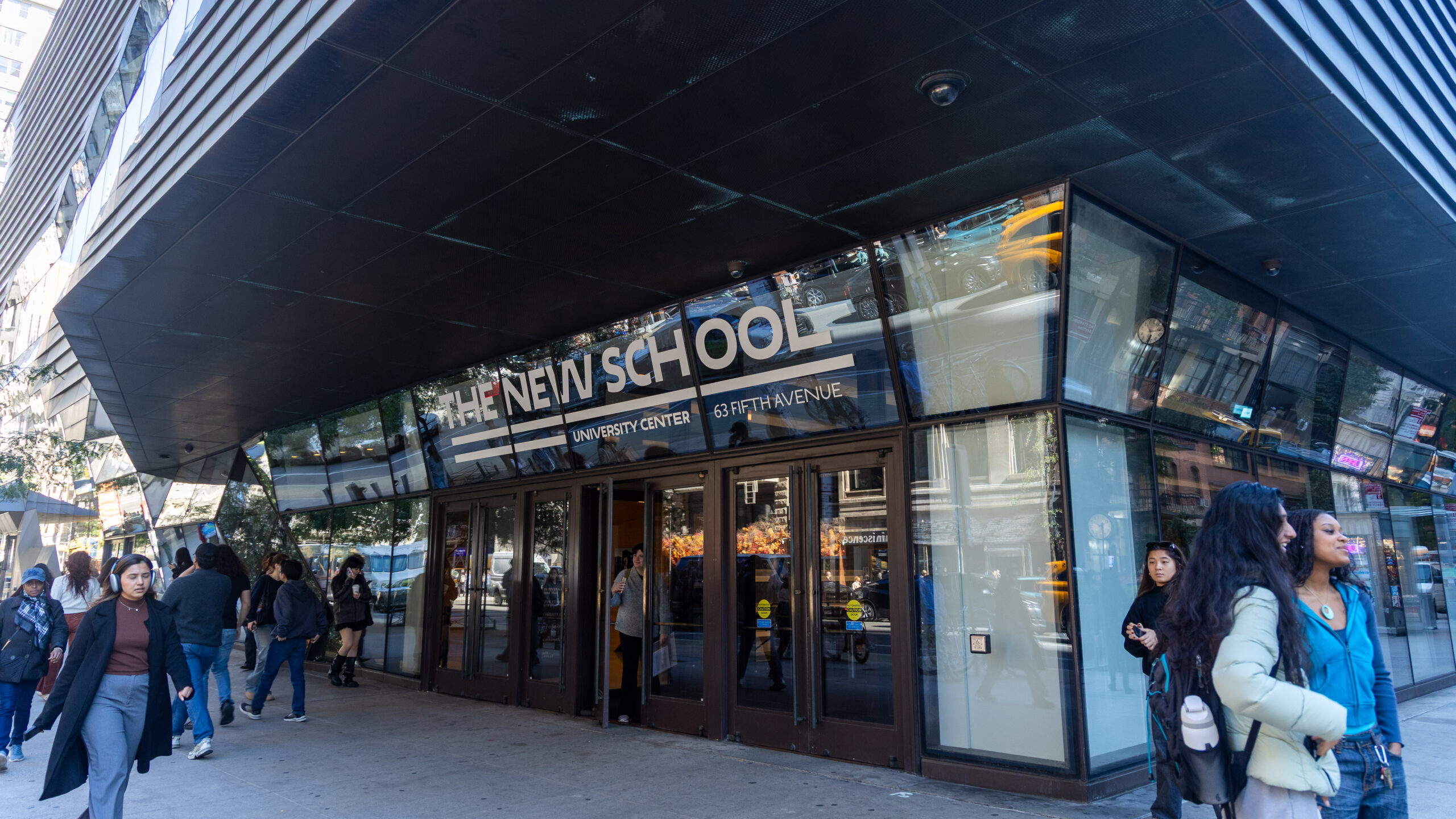
The Grad PLUS loan was eliminated in President Donald Trump’s Big Beautiful Bill, which was passed by Congress and signed into law on July 4. The Grad PLUS loan is unsubsidized federal financial aid for students seeking a master’s or doctoral degree. It’s a resource many graduate students at The New School rely on to pay tuition. But those planning to start graduate school in fall 2026 will no longer have access to the loan. Nearly 1,200 new graduate students enrolled at The New School last year, making up 40% of new graduate enrollment.
“The Graduate PLUS loan has been eliminated completely … It just won’t be an option, unfortunately, for new students starting July 1 of next year,” New School Assistant Director of Financial Aid Andrew Katz said.
According to Protect Borrowers, students that are currently enrolled in graduate school and have already taken out Grad PLUS loans will be allowed three years, or the remainder of time they have left in school, to continue to take out loans.
Current Grad PLUS loan users will also continue to have access to Income Based Repayment (IBR), which is a plan that calculates payments based on the student’s income and size of family. IBR is under the Income-Driven Repayment (IDR) category, made to make payments more manageable and affordable.
“For new Graduate PLUS loan borrowers, we will communicate with them regarding the elimination of this program and their financial options. We will provide guidance about borrowing private education loans including detailed information about lenders and the products that they offer,” New School Associate Director of Communications Merrie Snead said in a statement.
Repayment plans for federal student loans have also changed under the Big Beautiful Bill. The Repayment Assistance Plan (RAP) and the Standard Repayment Plan will be the only payment plans available after July 1, 2026. Both may require borrowers to pay back more money over longer periods.
The Standard Repayment Plan offers 10, 15, 20, and 25 year payback periods, depending on the amount of money in loans borrowed. There is no income based repayment option for these monthly payments; they are a fixed amount every month.
RAP is a new tiered repayment plan, and payments are a percentage of the borrower’s annual income. For those with an annual income of $10,000 or less, the flat rate payment is just $10 per month. However, the payback period is 30 years, as opposed to the 10-25 years that past payment plans like the IBR and IDR offered. Ultimately, many borrowers will pay more because of the interest accumulated over the extended payback period.
With these new payment plans, some borrowers may turn to private loans. In order to get a private loan, students must have a good credit history and score or they will not be approved. If approved, private loans often have high interest rates which are subject to change.
Still available to grad school students are Federal Unsubsidized Loans, but the limits on how much students can borrow are changing. Students studying in a professional program are allowed to borrow up to $50,000 a year and $200,000 throughout their lifetime. Students in other graduate programs are allowed to borrow up to $20,500 a year and $100,000 throughout their lifetime.
Katz reiterated that other federal unsubsidized loans remain available while noting that there are still many unknowns about the future of loans for grad school students. He advises current graduate students to keep an eye out for an email from the financial aid office by the end of October offering more details about the situation.

Leave a Reply