
The Future of DIY Funding
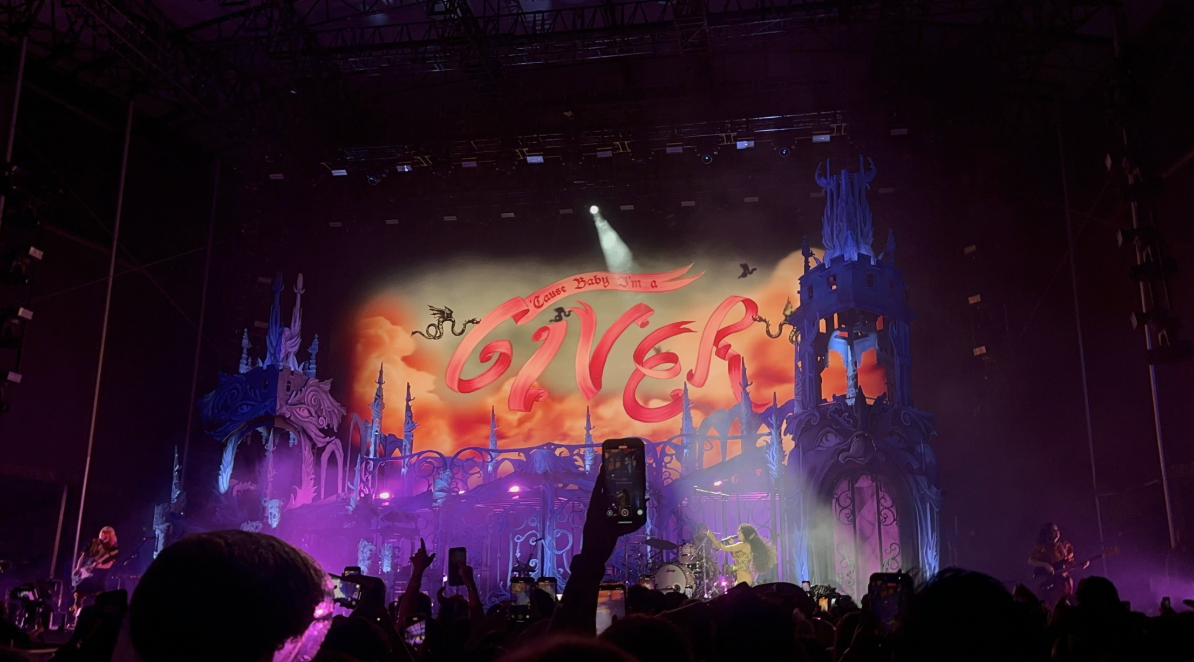
Brooklyn based rock band, The Skins, began making music in 2011 and have since taken off. At this year’s AfroPunk festival in Commodore Berry Park, The Skins’ explosive performance made a mark on the audience. But The Skins’ already had a following. The band reached out to droves of people two years prior via word of mouth, garnering the help of friends, family and mutual friends.
Earlier this year The Skins were signed to a small indie label because of their loyal fan base and money raised through successful crowd-funding campaigns on sites like Kickstarter and Indiegogo. The Skins have since been able to record an EP and book a tour in France to promote their upcoming album.
Everyday the music industry is changing. Artists now have to become business people to embody the role of a schmoozing entrepreneur — someone who can manage, market and appeal to a world of listeners.
Steve Weitzman, music expert and former Rolling Stone critic, has seen many of the changes in the music industry over the last fifteen years. Weitzman started out as a critic of Rolling Stone in the ‘70s and, in the late ‘80s, emerged as a concert promoter for various artists like Eminem, the Foo Fighters and The Black Eyed Peas.
“In the 70’s, 80’s and 90’s artists made money from selling music and you can’t do that anymore,” he said.
Weitzman said that over the last decade he has seen two major shifts. The Internet has made it easier than ever for bands to get exposure, but harder to make money. He said, with online sharing and distribution, music is so accessible nowadays and with that much streaming nobody feels the need to buy.
“The whole time I was in Berklee it was very little about learning how to play. Being the best doesn’t matter. It’s all about the business,” said Carlos Ariel Fernandez, a music producer and recent graduate from Berklee College of Music. “If you want to do anything [in music] you don’t really have a choice but to learn about business.”
And it is a new business they are learning. Mainstream pop artist Ingrid Michaelson got a start showcasing her music on Myspace in 2002, until getting discovered by a Grey’s Anatomy producer, leading her music to appear on several TV shows.
Myspace may no longer be a destination site, but with crowd-funding websites like Kickstarter, Indiegogo and GoFundMe, musicians are able to fund their projects and gain support for their artistic endeavors from fans and strangers, rather than faceless corporations.
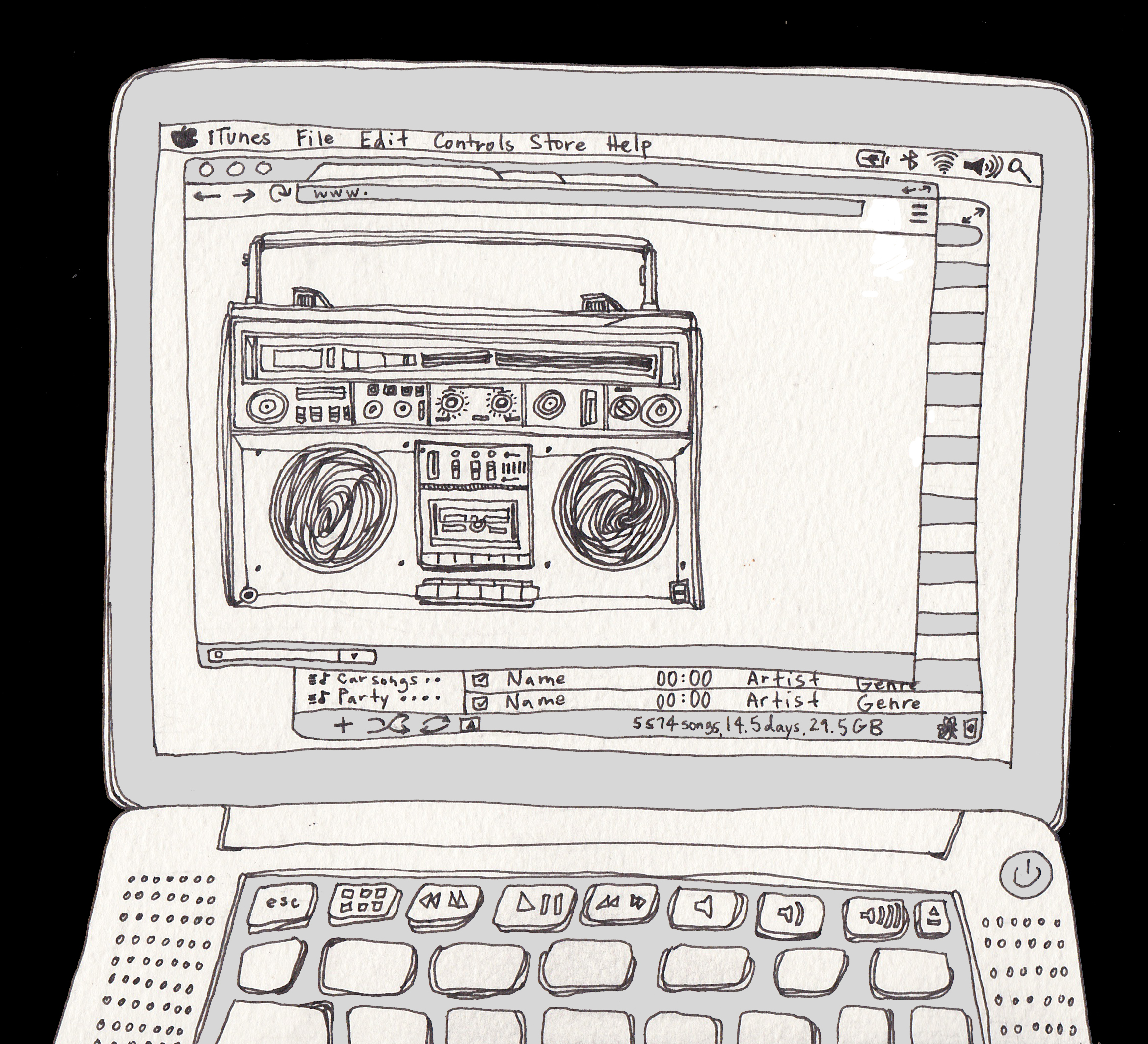
Artists using crowd-funding platforms have to layout exactly how they plan on spending the money pledged, keeping supporters up to speed with what is being done with their money.
Careful budgeting and management are needed, pushing musicians to learn how to best promote themselves and create a solid foundation — sans the help a traditional record label would provide.
On crowd-funding sites, for each pledge made, musicians give something back. Fans who donate $5 could get a free download of the artist’s album, $100 could grant access to limited edition vinyl and attire and a $1,000 donation could get them a VIP entrance to the artist’s next concert, for example.
These platforms are not a perfect solution in the process of becoming a successful musician, but they are a useful jumping off point in getting established. The sites are not a fail-proof plan either. Crowd-funding is competitive and takes hard work and planning.
“Because of pirating and Spotify, Kickstarter is like a capitalistic democracy,” said Fernandez. “It makes it easy for the survival of the fittest to happen.”
According to Kickstarter’s website, since their 2009 launch, 5.3 million people have pledged $900 million, funding 52,000 creative projects. This trend is pushing artists to harbor a new set of skills to compete with the demanding, competitive and online nature of today’s music industry — with over 690 music projects now up on Kickstarter.
These platforms are changing musician’s relationship with funding and making them take on more active responsibilities to market themselves to the public.
“I think it’s great to be able to get that funding without going to a big label,” said Caleb Brown, New School BA/BFA graduate and drummer of The Itchy Hearts.
Brown and The Itchy Hearts recently ran a successful Kickstarter campaign. “[Online crowd-funding] will become more viable for more artists as the post-label music industry matures.”
Artists now have the chance of making a profit off of their music on their own terms. Other success stories from Kickstarter include punk cabaret group Amanda Palmer & The Grand Theft Orchestra, who raised $1,192,793 for their new album, collaborative art book and tour, along with pop-punk band Anamanaguchi, who funded $277,399 to make their album, music videos and tours.
There are still creative ways of using non-digital tactics as a musician. Kegan Zema, Brendan Mehan and Owen Keiter of Bushwick-based garage rock band Journalism, keep their presence known not only by playing frequent shows, but by also putting out sporadic releases rather than an album.
Keiter also speaks to what he calls the ‘seals of approval,’ playing in well-known venues, being featured in publications and opening for other bands.
Artists are carving new territory on digitally constructed ground and taking back control in an industry where many are exploited and manipulated.
“It’s a different market. Crowd-funding — you’re appealing to fans,” said Fernandez, the music producer. “[On] record labels, it’s about appealing to your boss.”
With reporting by Keilly Fernandez

Sienna is currently a Literary Studies major at Lang with a minor in Culture & Media. She enjoys music writing, cultural features, creative non fiction and poetry. She has future plans of working in publications, making electronic music in her spare time and living a funky fresh lifestyle.


Leave a Reply