
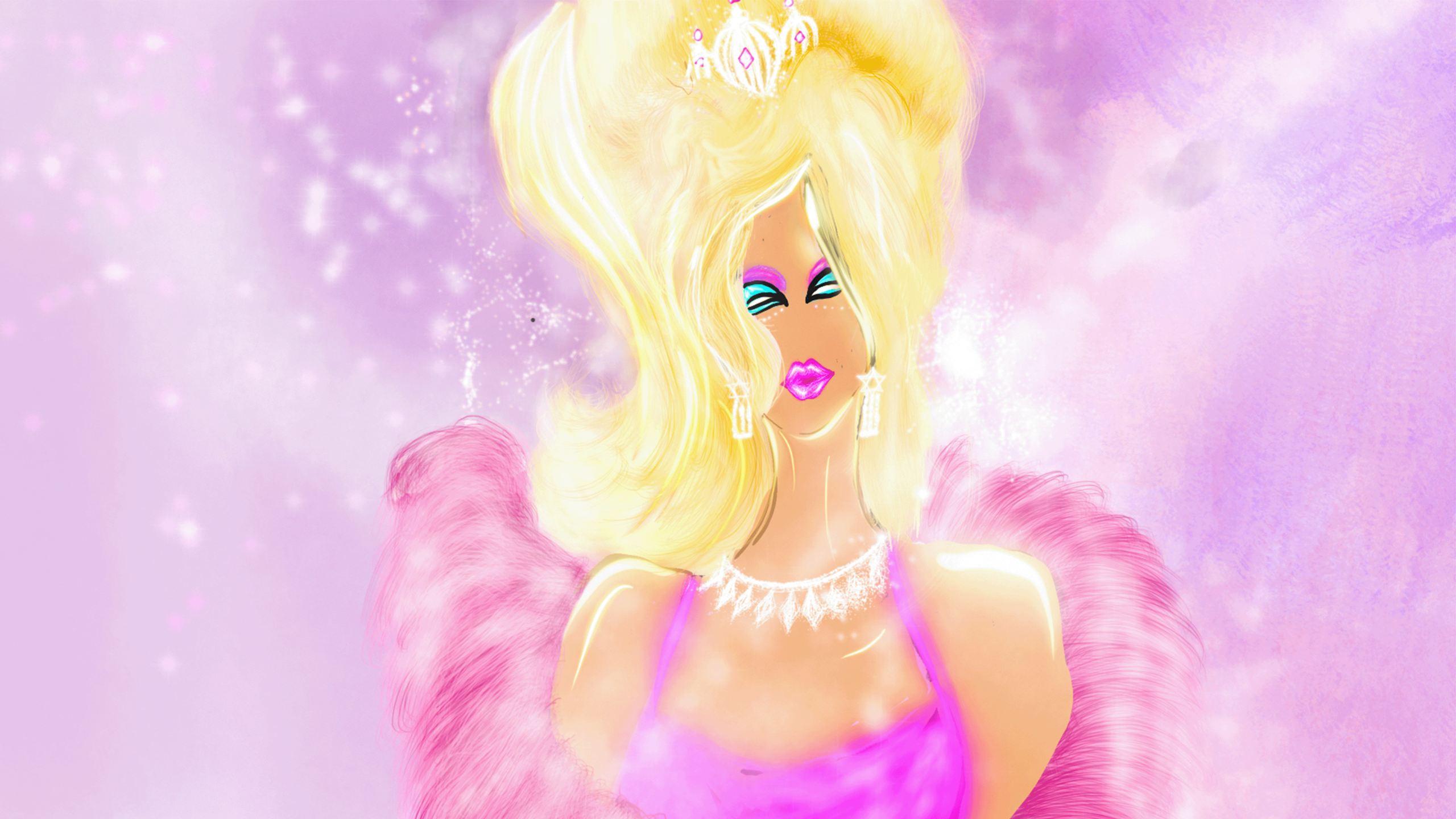
In 2026, RuPaul’s Drag Race will crown its 18th “America’s Next Drag Superstar.” In the 17 years since it began, the show has expanded exponentially, launching an All-Stars edition (and later, an All-Winners edition) and 16 international franchises.
But as Drag Race continues its imperial march across pop culture, its figurehead is aging in real time, and the pool of featured queens and winners grows vastly wider. When Drag Race began to grow a substantial cult following its fourth season in 2012, appearing on the show meant joining a tight canon of just 47 queens cosigned by RuPaul. Cut to 2026, and the numbers read differently — 242 queens have competed in the main series, with another 483 cycling through the international spin-offs. RuPaul is now 65 and has become notorious for forgetting queens’ names.
Between its rapidly decaying exclusivity and an aging leader, is the Drag Race dynasty finally coming towards an end? We talked to two people to find out: drag performer Hudson Ryver, who uses she/her pronouns in drag and he/him outside of drag, is a Parsons School of Design student who works and performs around New York City, and Joe E. Jefferys is a self-described “drag nerd” who is a part-time Theater lecturer at Eugene Lang College, teaching the class RuPaul’s Drag & Its Impact. Though both have watched the show flourish, they’re from vastly different generations, providing a look into the show’s perception from origin to current day.
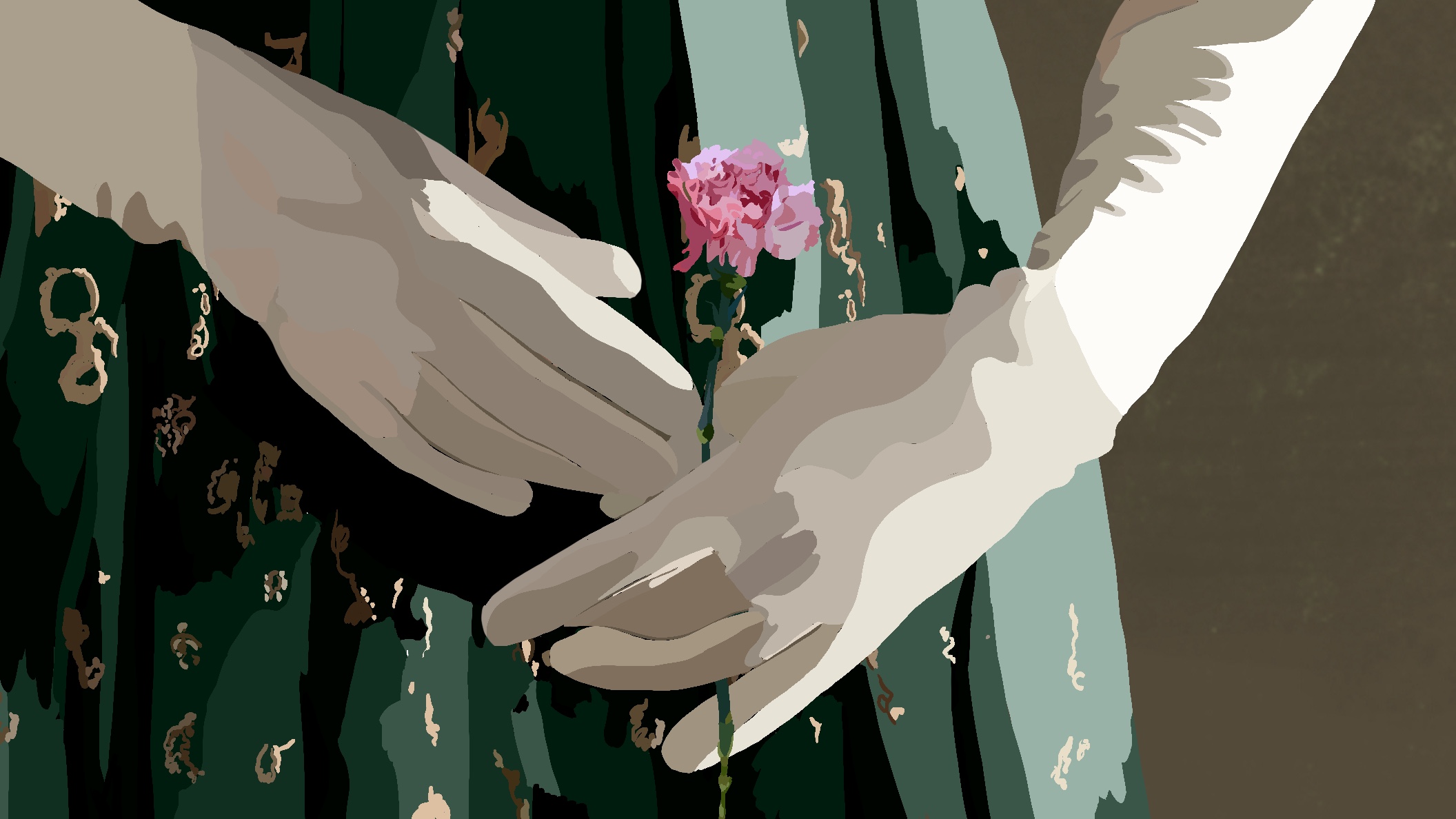
Ryver was inspired to start drag after watching the finale of Season 9, where soon-to-be-winner Sasha Velour created one of Drag Race’s most iconic moments as she performed Whitney Houston’s “So Emotional.”
“The gloves off, and then the wig off, and it’s rose petals, and it’s conceptual, and it’s more than the material things that she is holding,” Ryver said. “It’s more than a reveal of fabric and hair. It’s like this huge emotional thing … I knew that is exactly what I had to be doing.”
Jefferys, on the other hand, already had an eye on the drag scene by the time RuPaul came around. He was in high school when RuPaul came to New York City in the 1980s. To him, she was just another queen, along with other not-yet-legends like Lady Bunny and Lypsinka. Ryver also highlighted Lady Bunny and Lypsinka as some of the artists who have managed to have cultural power outside of the Drag Race world.
That’s not an easy feat given the power the show has over a person’s success in the drag world. However, it’s becoming more and more possible. Ryver mentioned Pattie Gonia, a newer drag queen and environmental activist who’s blown up on social media. “[She is] famous in her own right for performances and can go on tour and everything without drag race,” Ryver said. Social media makes popularity more accessible, allowing queens to utilize the same technology that made Drag Race successful for their own independent benefit.
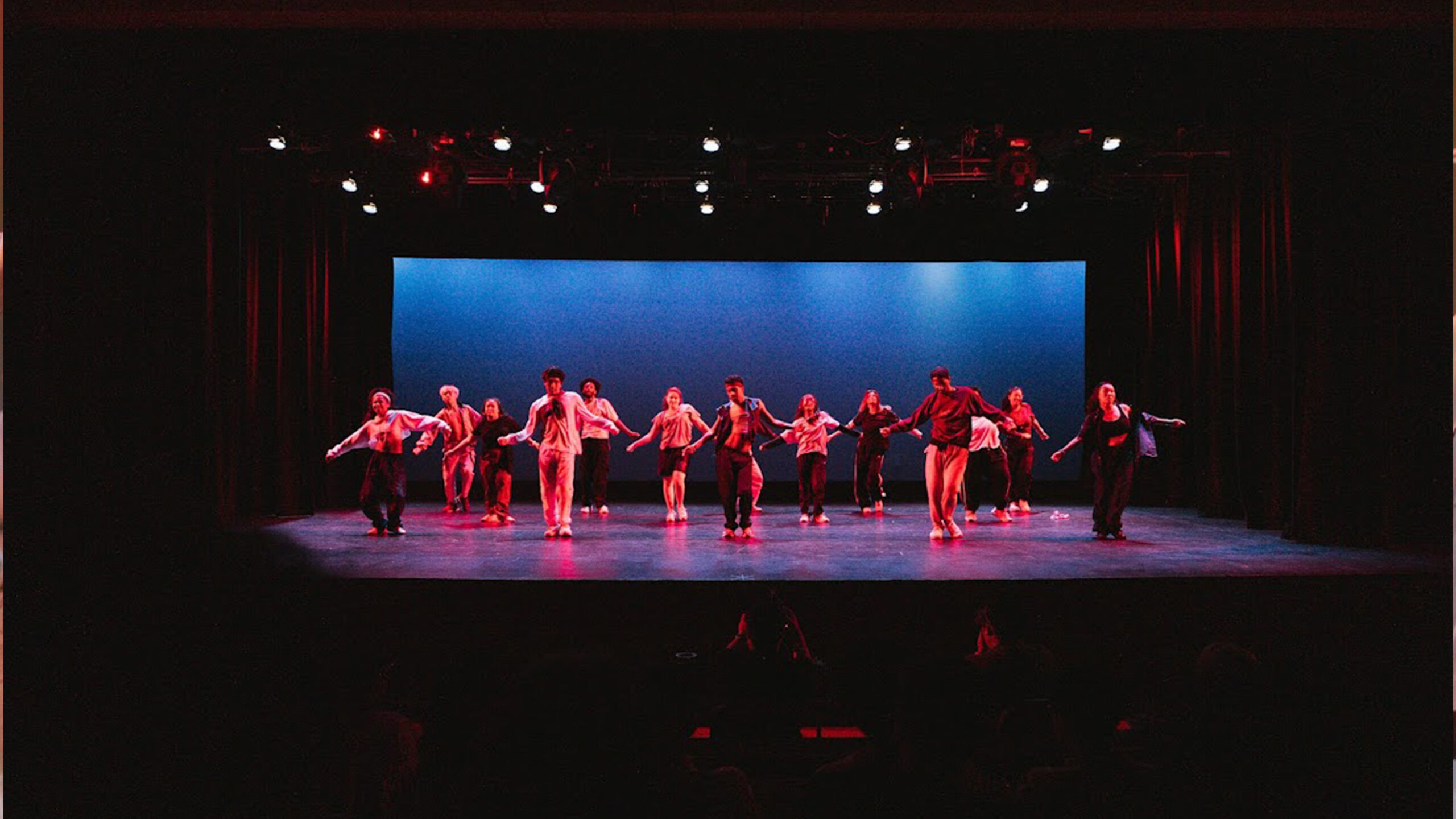
“Now, [drag performance] can just come into people’s living rooms,” Jefferys said. Audiences no longer have to trek to gay bars late at night to see queens. Instead, they can stream them on their TVs at home. That expansion has brought drag far beyond the confines of the gay bar, ushering in new spectators and communities — most visibly, a rapidly growing base of heterosexual women. “RuPaul’s Drag Race also spurred the explosion of drag brunches,” Jeffreys said, turning Sunday afternoons at neighborhood restaurants into stages and welcoming audiences who might never set foot in a late-night club.
As with any privileged audience enjoying art born from a marginalized culture, questions about the boundaries of participation and appropriation inevitably arise. “It’s starting to be treated, just like any other art form is, [as] sensationalized and kind of fetishized, i.e. the stereotype of the bachelorette party’s drag shows,” Ryver said.
Yet, it’s not necessarily a concern about losing the root of drag’s identity. “I always say drag is the indigenous, queer performance form,” Jeffreys said. Perhaps some outside attention is even beneficial to the art. “Any underground art form doesn’t want to be underground forever,” Ryver said.
Drag is certainly no longer underground. Even as new legislation attempts to narrow where drag can exist, RuPaul’s Drag Race has propelled it deeper into the cultural mainstream more than ever. In recent months, Bob the Drag Queen and Jinkx Monsoon held Broadway stages at the same time, while Marty Lauter, who appeared on the show as Marcia Marcia Marcia, closed a star turn in Cabaret. At the Winter Olympics, Canadian ice skaters Piper Gilles and Paul Poirier skated to RuPaul’s 90s hit “Supermodel”.
However, the show’s cultural power doesn’t necessarily equate to success for local drag queens on the same level. “Some people say that we’re in a golden age of drag because of Drag Race — I would say that we’re in a ‘Ru Age’ of drag,” Jefferys said. “If it was truly a golden age of drag, then every local drag show that you can think of — from the basement of The Monster, to The Stonewall, to Industry Bar, would be packed every night.”
The show is currently in its 18th season and is frequently accused of creative fatigue, but viewers’ appetites haven’t diminished. This season’s premiere set a record for being the highest-rated of any drag race episode and pulled in 24 million viewers. “What separates Drag Race from all the other things that go on and on and on,” Ryver said, “[is that] it’s like the same thing over and over again, but that’s camp.” Drag is an art form privy to self-awareness: “People are now taking that repetition and they’re making fun of it, and they’re making fun of making fun of it, or they’re just continuing to do it really good,” Ryver said.
Drag, like many art forms, is heading into an unsteady legal future as conservative anti-trans pushes start to affect any kind of gender non-conformity at all. Though Tennessee and Montana have now both passed laws explicitly restricting drag performances in the state, history seems to indicate it will never fully go away. Though it’s taken different forms, drag and the broader art of subversive gender expression has been around as long as performance has, from Shakespeare’s cross-dressing actors to vaudeville shows to Tyler Perry’s Madea films.
There are many places drag could go from here. “Drag is rooted in a binary concept, and I am seeing things that are nowhere on any binary — they’re not male, they’re not female, they’re not even necessarily human,” Jeffreys said. “I think that may be a potential future for drag.”
Ryver has three wishes: “I hope that people understand that drag is not about cross-dressing necessarily…it’s despite gender, or to spite gender if you will.” Secondly, “I hope people understand what actual drag performance is … which is not just how unclockable you look, but … the transformation of self.” Lastly, as a drag performer herself, she hopes that “we [can] have a little bit more faith in the audience to know what we’re talking about, so we don’t have to explicitly put the joke in and have it scream in their face” — in contrast to the over-dramatics reality television often encourages.
As RuPaul’s eventual exit hovers somewhere on the horizon, the industry has begun to consider the question of succession. Names circulate, protégés rise, but no clear inheritor has taken shape. “Drag Race is trying to crown mini RuPauls,” Jeffreys said. Still, he added, there remains a limit to replication: “There’s kind of a ceiling … no one has yet broken above RuPaul.”
Only time will tell who may take on the largest Drag Race crown from its reigning queen. Until then, the show will likely continue to flourish, and hopefully bring along new audiences for all drag along the way.





Leave a Reply