
This story was updated on Oct. 30 at 12:20 p.m.
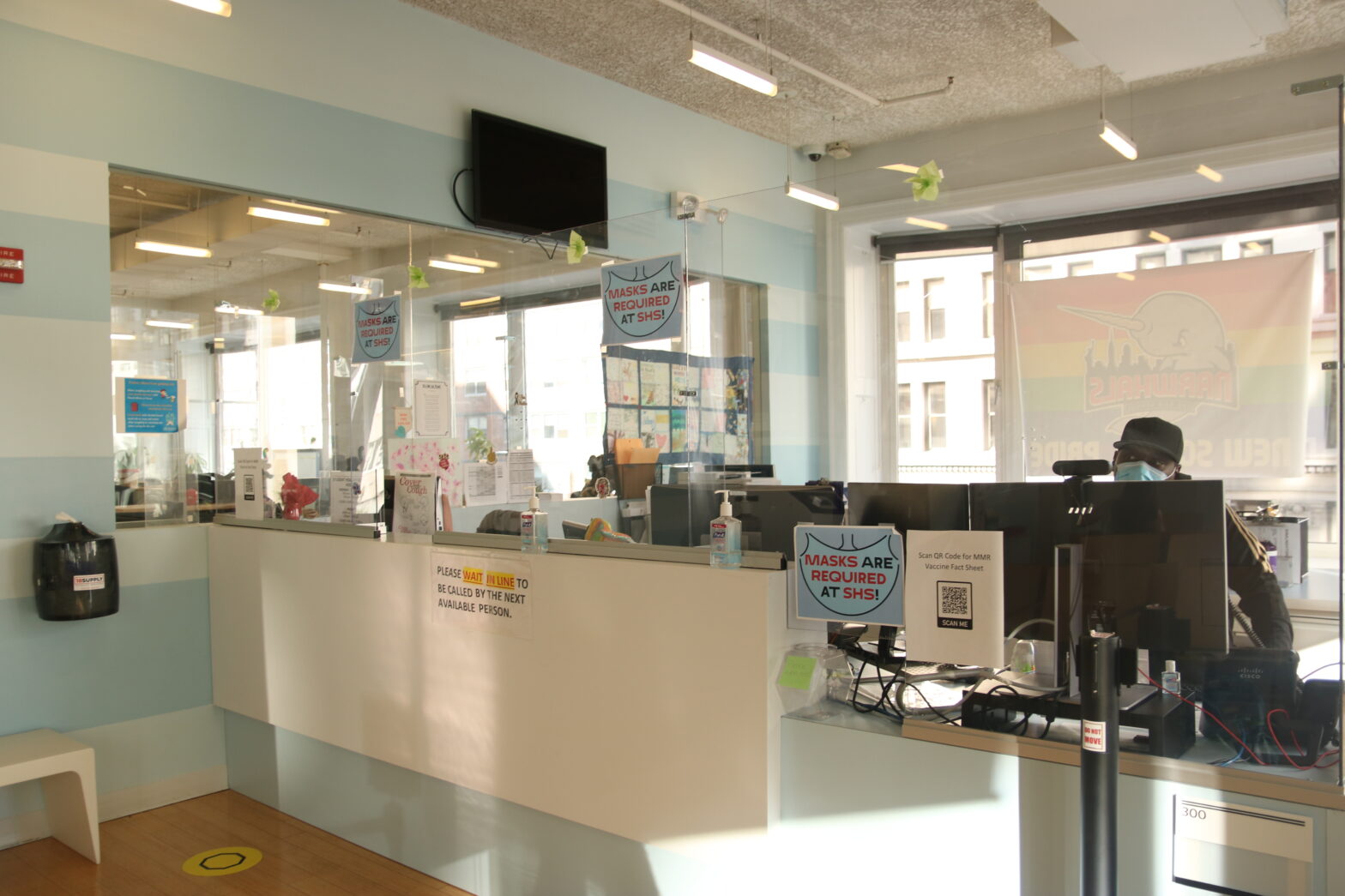
The university has proposed plans to cut half the unionized staff at Student Health Services (SHS) and outsource medical care next year. Staff say the move would make accessing care more difficult for students.
The 10 on-campus medical staff at risk diagnose and treat illnesses and injuries as well as provide emergency contraception, immunizations, and STD care, among other healthcare to students. Counseling services would still be provided by staff on campus.
The cuts come as The New School looks to stabilize its turbulent finances.
“The university’s financial deficit is serious … all options remain under review as part of a thorough, evidence-based process that includes deeper financial analyses, performance assessments, and evaluations of institutional needs and strategic fit,” TNS Executive Vice President for Business and Operations Francisco Pineda said in an emailed statement.
All students currently pay a Student Health Service Fee to access most medical services within TNS. Students are also required to have health insurance coverage. They are automatically enrolled and charged for the Student Health Services Plan; however, it can be waived with proof of similar coverage.
“If [Student Health Services] is outsourced, it’s going to be very difficult for people to get their medical care if they don’t have insurance … In particular, international students, who are having to navigate the Medical Services of New York City,” Student Health Employees at The New School (SHENS) Co-chair and SHS counselor William Groth said.
Outsourcing means students wouldn’t be able to walk across the street from school and be seen the same day, SHS healthcare provider and midwife Jacqueline Lewis said. It’ll affect continuity of care, she said, especially with students who see their providers frequently.
This is not the first time TNS has tried to cut costs by outsourcing staff. TNS attempted to cut medical staff in 2018, too. Staff negotiated and joined ACT-UAW Local 7902, leading to the formation of the union SHENS-UAW, which now represents the 20 employees working in SHS.
ACT-UAW Local 7902 did not respond to requests for comment.
Staff were notified in a meeting Monday with Dr. Robert D. Mack, vice provost for Student Success and Engagement. Staff said they wanted more communication and the option to provide input.
“They don’t talk to the players. They don’t talk to the stakeholders. No one came and sat down and talked with us,” Physician Assistant Guadalupe Larez said.
Groth said he suspects the counseling team could face changes next. “Once again, [the university is] being penny-wise, pound-foolish, not understanding that it’s not just an issue of money, but it’s actually the quality of care that we provide,” he said.
“We’re a support for students, but we also support other departments,” Larez said. SHS helps housing, international student services, and student disability services. “We’re not going to be here for them.”
Staff provide hands-on medical care, even to students whose families are miles away, Physician Assistant and SHENS Co-chair Donna Freeman-Tweed said. She recalled a time when one assistant stayed with a student for hours until she was seen by Emergency Room doctors.
“I think they’re unaware of what actually is going on here, what we’re doing, what service we’re providing,” Lewis said. “I don’t even think that they’ve spoken to the students and said, ‘how is your satisfaction with your ability to come and use these services?’ So it is a unilateral decision, and we just think it would have been nice to have some kind of input.”
A previous version of this article stated “The University has plans to cut half the unionized staff at Student Health Services…” This is incorrect. The university has plans but it is still in the proposal phase. This article has been updated to clarify.











Leave a Reply