

Love, Lucy is the New School Free Press’ weekly advice column, where writers anonymously share thoughtfully researched solutions to your questions about life. Send submissions through Love, Lucy’s official Google Form, and you might hear back from Lucy herself.
Dear Lucy,
My friend is dating someone I don’t trust. Should I say something or stay out of it?
From,
On the Sidelines
Dear On the Sidelines,
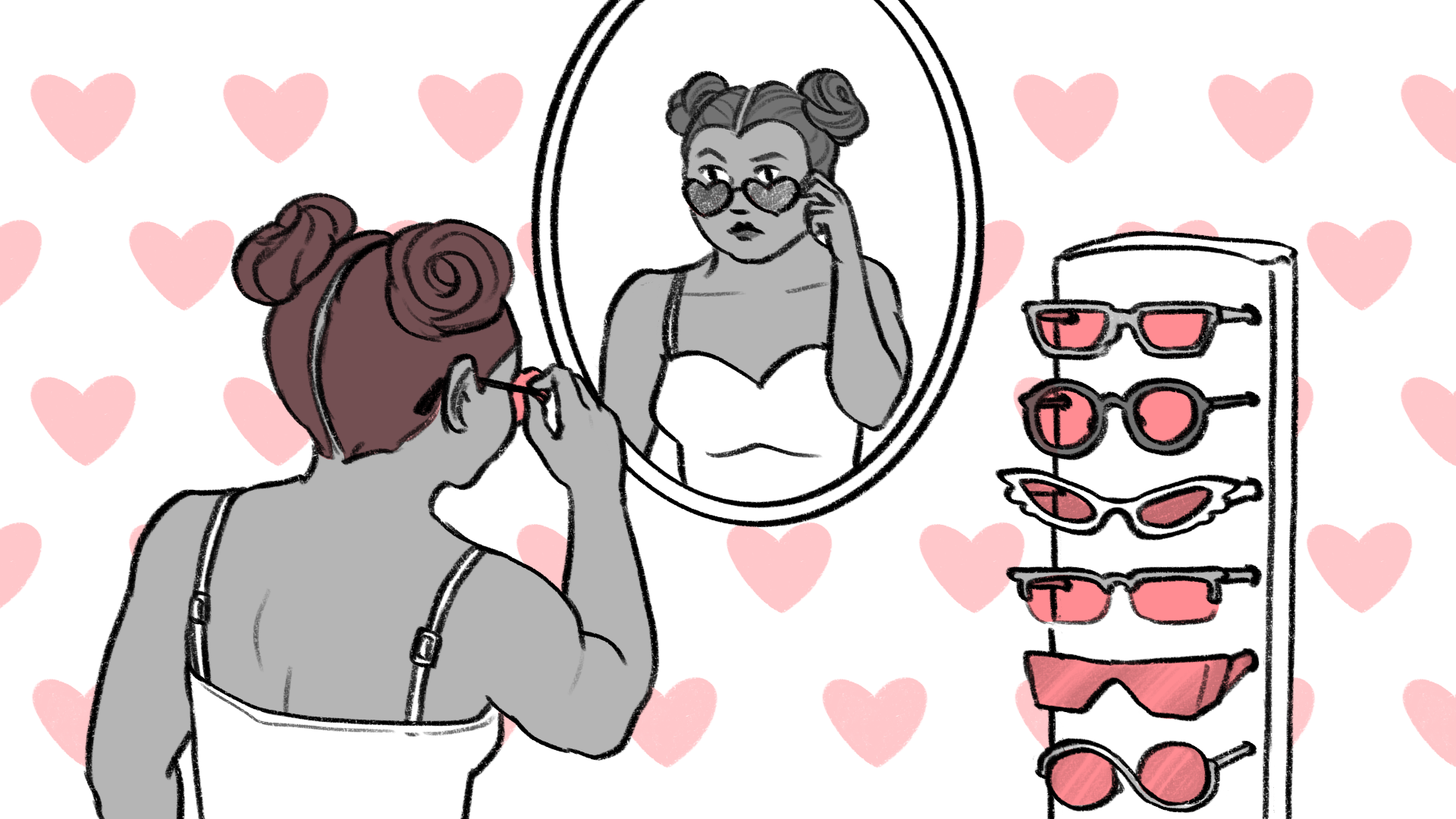
When someone you love starts dating a person you don’t trust, it can feel like being stuck behind glass — you can see what’s happening, but you can’t stop it. You want to be happy for them, you really do, but there’s that familiar ache in your chest that whispers, Something’s off. Maybe it’s the way their new partner speaks to them, or how your friend seems to fade a little when that person’s around. Maybe it’s not even something you can pinpoint — just a gut feeling you can’t shake.
It’s natural to want to protect your friend from pain, but before you act on that instinct, it’s important to ask yourself where that mistrust comes from. In one of her many books, psychiatrist Dr. Judith Orloff writes about trusting your intuition — “the quiet voice within” — and cautions that worry or fear can cloud what’s true. Have you seen your friend in unhealthy relationships before and fear this is a repeat? Or are you sensing genuine red flags? If there’s clear, concerning behavior — like manipulation, disrespect, or isolation — your feelings are worth voicing.
Many relationship researchers warn that early patterns of criticism, control, or emotional distancing can predict later conflict or unhappiness. The Gottman Institute’s work often emphasizes how small negative patterns — if left unchecked — erode trust over time.
Still, how you voice your concern matters just as much as what you say. Instead of, “I don’t like your partner,” try something softer like, “I care about you, and I’ve noticed a few things that make me uneasy. Can I share what I’ve seen?” That wording invites reflection rather than defense.
If, on the other hand, your unease stems more from discomfort than from behavior — maybe their personalities clash with yours, or they simply feel unfamiliar — it might be worth holding off. There’s a broad tendency in human psychology called ingroup favoritism: we often favor people who seem like “us” and distrust those who seem different. Your discomfort might come more from expectation than danger.
You can still keep watch — paying attention with care. Silence isn’t always betrayal. Your voice matters, but your friend deserves the chance to learn and grow in their own way. Sometimes the strongest love is the kind that stands by without trying to steer.
If you decide to bring up your observations, be transparent about your motives. You’re speaking out of care, not control. You might say, “I’m only mentioning this because your happiness matters to me. I trust you to decide what to do. I just wanted to share what I’m seeing.” Then step back and let space do its work. Whether they understand or not, you’ve planted a seed they may revisit later.
If you choose to stay silent, that doesn’t mean you’re abandoning them. Sometimes the best way to show love is to stay close — so, if things do shift, they’ll remember who didn’t judge, who stayed steady, and who stayed there.
On the Sidelines, loving someone means accepting that you can’t always shield them — only walk beside them when they need you most. Trust that your care will speak louder than your fear.
Love,
Lucy








Leave a Reply