
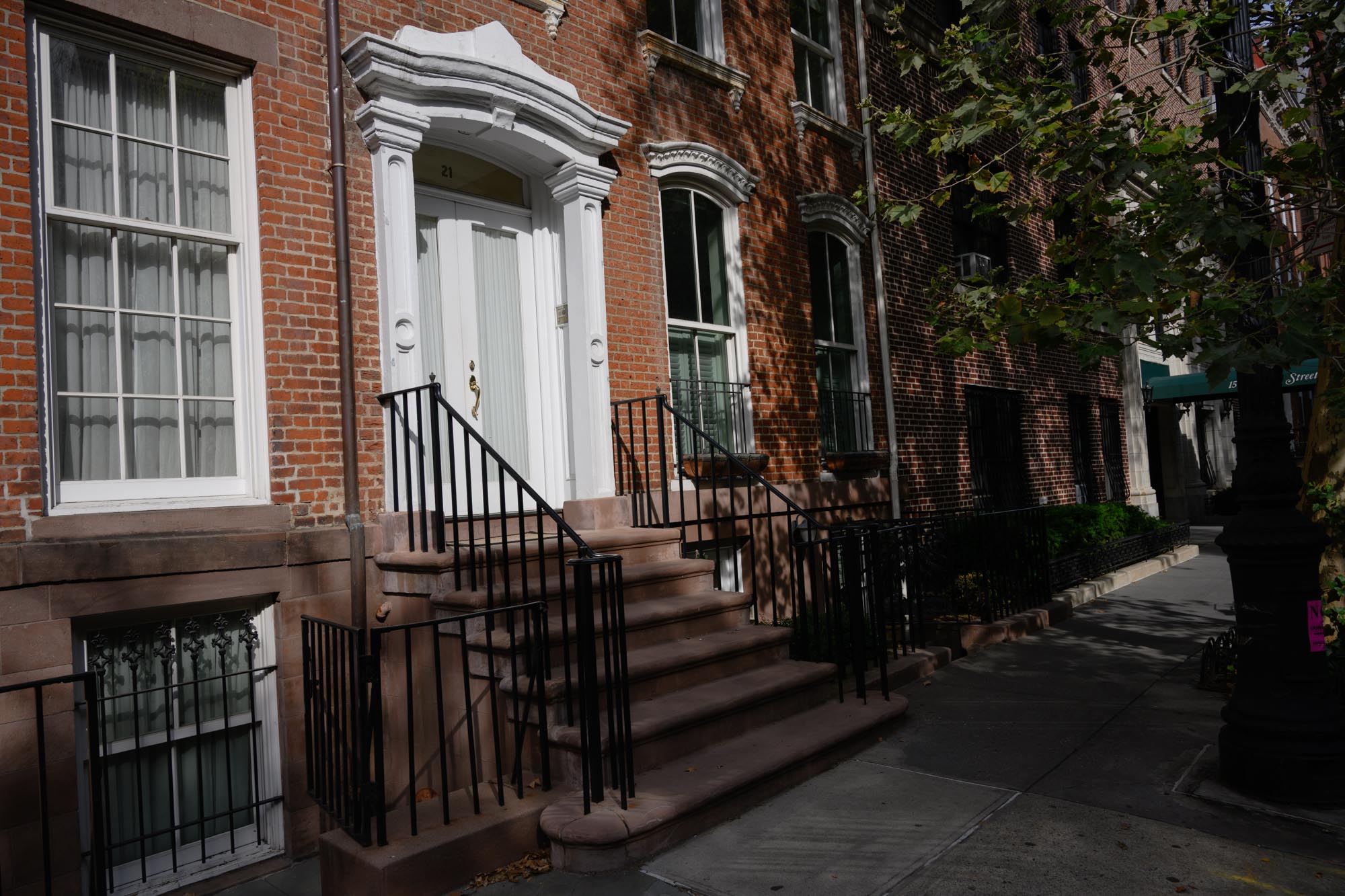
The New School closed the sale of the president’s townhouse for half the original asking price on July 30. The property, which spent more than a year on the market, was widely seen as a controversial symbol of financial strain and administrative bloat.
Bought in 1984 for $990,000, the five-story brownstone, known as the Scatturo House, served as the official residence of the university president for four decades. It cost the school $250,000 a year in maintenance, according to Francisco Pineda, Executive Vice President for Business and Operations and Chief Operating Officer at The New School.
The Greenwich Village property was sold through an entity called Hartford 2020 Trust for $10.3 million to an anonymous buyer. When it was first put on the market in February 2024, the asking price was $20 million.
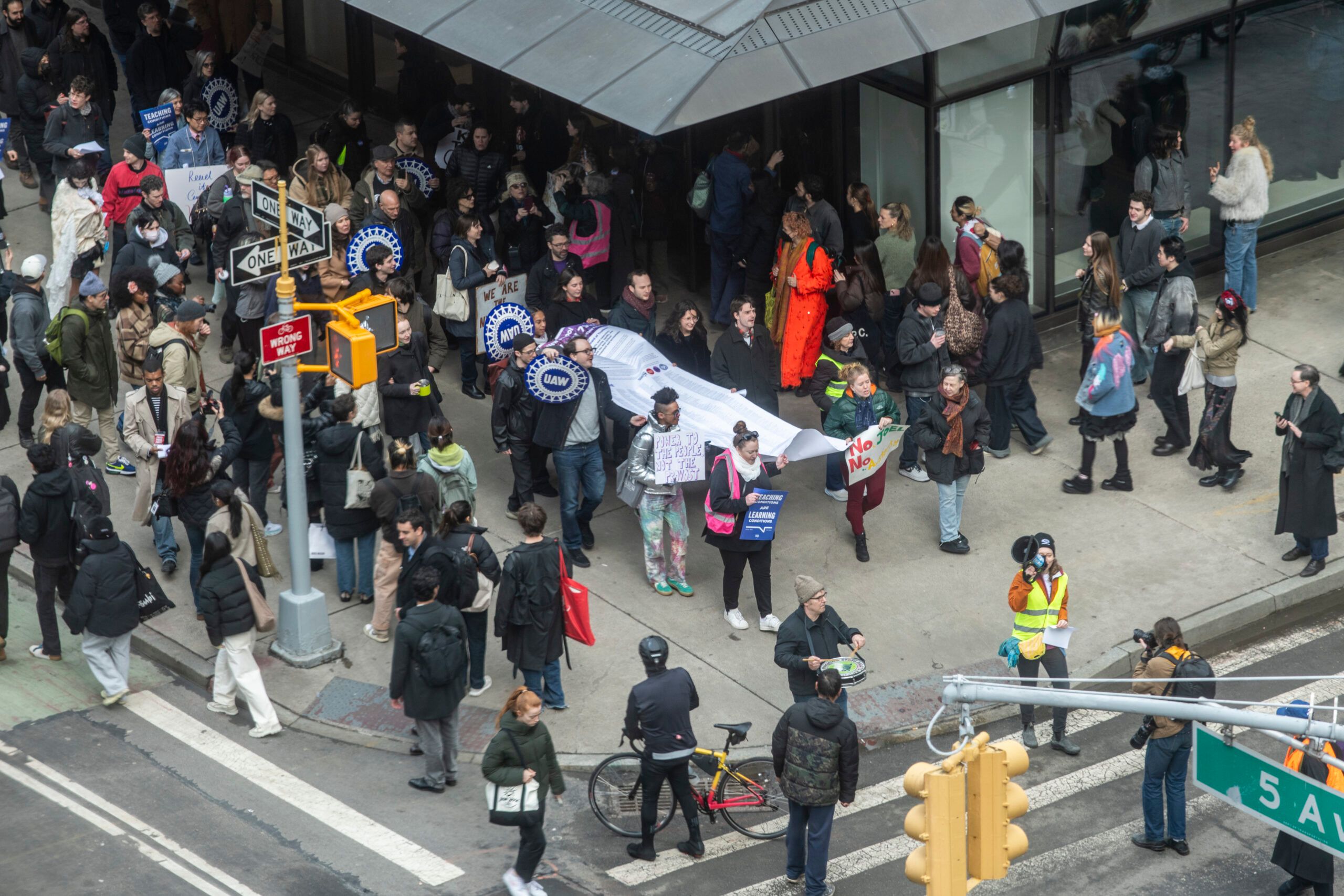
Over the years, the school has drawn criticism for the cost to own and maintain the luxury home. During the Fall 2022 adjunct-faculty strike, dozens of students and faculty protested outside the property. One student group demanded that the townhouse be used as “communal property” of the university “for purposes determined by the non-administrative TNS community.”
In February 2024, The New School listed the property with Sotheby’s International Realty, as part of an attempt to remedy the projected $52 million deficit in the budget that year.
The property also no longer served the core needs of the university, according to Pineda. He previously worked at the NYC Economic Development Corporation, where he helped manage the city’s real estate portfolio.
The school still provides housing to the president, Pineda said, which is part of the typical package given to university presidents. The new property is located in Greenwich Village. The university did not provide further information.
The sale of Scatturo House provides cash and relieves budgetary pressures, but other than eliminating the yearly maintenance costs, it will not impact the value of the university’s ongoing structural deficit. The university projected a nearly $30 million operating budget deficit for the 2024-2025 fiscal year.
“Instead of having to borrow or instead of having to tap into other reserve resources, we use those funds to offset … the university’s consolidated losses,” said Pineda, referring to the sale.
The university is managing a multi-year effort which looks at structural changes, such as operational costs, enrollment, and grants, to help balance the deficit. The New School isn’t alone. In recent years, universities in New York City and around the country have also turned to selling properties, like presidential residences, to generate revenue.
The townhouse, located at 21 W. 11th St., was on the market for about 14 months and underwent repeated price cuts, according to its Zillow listing. It went under contract April 25 of this year.
This was in part due to a turbulent market, Pineda said. The university administration was also misled by the consultants it hired, he said, and was unfamiliar with the New York City real estate market when the townhouse was first listed.
“There was no world in which it was worth 20 million,” Pineda said. “It was a tactical mistake, and it was misinformation that was provided by consultants to individuals who were not experts.”
When Pineda joined the university in January 2025, he terminated the contract with Sotheby’s. After a review process, Leslie Garfield was selected as the replacement realtor and represented the university until the property was sold.
Hartford 2020 Trust is now the official owner of the brownstone, city records show. Michael Benner, separately a director and counsel at the real estate company Tishman Speyer, was listed as trustee and acted as a signatory. Benner did not reply to a request for comment.
At 4,038 square feet, the 20-foot wide, five-story Greek Revival brownstone features four bedrooms, five-and-a-half bathrooms, a library, two fireplaces, and a kitchen with heated floors. The property has 900 square feet of outdoor space, including a garden and a terrace, according to its listing on Leslie Garfield.
“I thought it was the worst president’s house I had ever lived in,” interim president of the New School from 2023 to 2024, Donna Shalala, said. “It didn’t have space for what presidents did, and that is, they have lots of students over and faculty and staff.” Shalala also served as president of Hunter College and the University of Miami before her time at The New School.
Shalala, who was president when the decision to sell the townhouse was made, said administration, faculty, students, and staff also wanted the townhouse to be sold.
“I think the most important thing is, the symbol of an expensive building that wasn’t used, that couldn’t be used for hosting the community and students and faculty in large enough numbers, is gone,” Shalala said. “The other thing … that really worried me was it was so expensive to maintain. There were always repairmen there.”
Shalala said she believed the funds from the sale of the townhouse should go to student scholarships, but was glad the university got money — and that the sale finally happened.
“About time,” she said.








Leave a Reply